
Plots of land in Basque Country - for sale and rent by owners and professionals

Urban, developable and non-developable land in region


Plots with the most wanted features
- Urban 12
- Developable 7
- Non developable 17

- Urban 59
- Developable 17
- Non developable 35


Latest ads of plots for sale




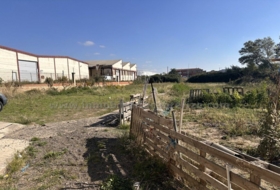
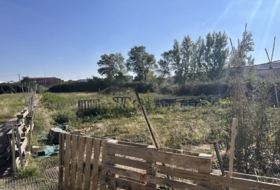
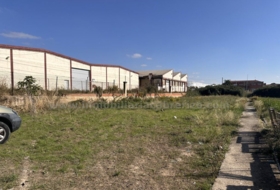
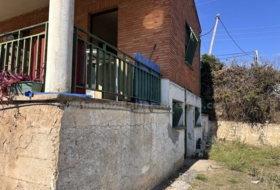
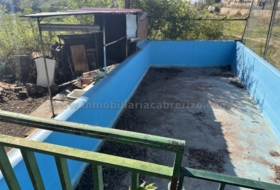
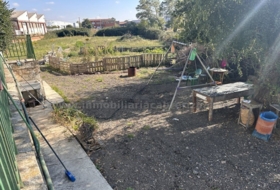
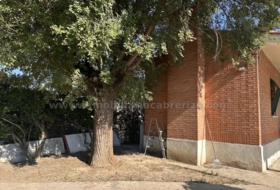
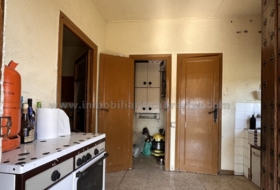


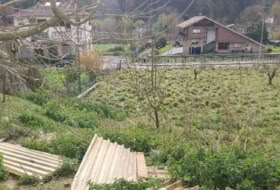
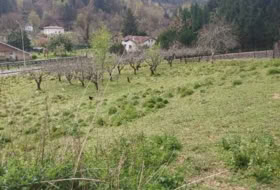
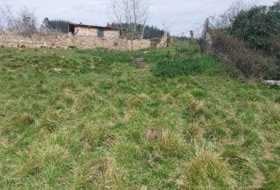
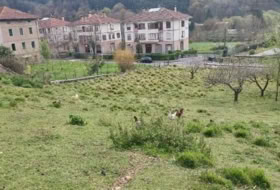



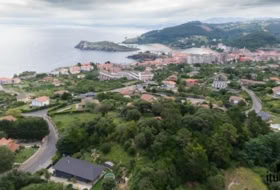
Terrain and climate shape the farming and forestry sector
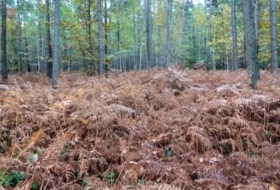
The most prominent land use here is forest, and the natural resources obtained from it marked the beginning of the region's development.
Agricultural land covers about 180,000 hectares, of which more than 87,000 are farmland.
Crops are strongly shaped by the two most characteristic climates. In the north, the Atlantic oceanic climate, combined with rugged, sloping terrain, few hours of sunshine and high humidity, produces abundant natural pastures used for livestock. In the south, by contrast, the Mediterranean-influenced zone, with flatter terrain, more sunshine and drier conditions, is geared more towards crop production (both dry-farmed and irrigated).
Farmland is used for cereals, potatoes, fodder, industrial crops (sugar beet, rapeseed and sunflower), vegetables, fruit trees (apple, pear, kiwi and walnut) and vineyards.
In livestock farming, cattle stand out, for both meat and milk, followed by industrial pig and poultry farming, as well as sheep.
Over the years, the Basque Country has seen its traditional farmhouses (caseríos) abandoned, and their fields taken over by forest species and residential development.
The Basque Country, one of the richest regions in Spain
The Basque Country (Euskadi), located in northern Spain next to the French border, is divided into three provinces: Álava, Gipuzkoa and Biscay. It is one of the richest autonomous communities in the country, thanks to the development and adaptation of its industry.
The main economic activities are, first of all, services (public sector, tourism, domestic and foreign trade and transport), followed by industry, construction, energy production and the primary sector.
Basque industry in constant evolution
The origins of industry in Euskadi go back to the use of forest timber for shipbuilding, ever since the first settlers arrived. Today, more than half of the region is forest, so forestry for the timber industry is a key activity.
In addition, its industrial base is very diverse, ranging from metalworking, food, furniture and paper to new companies in information technology, engineering, aeronautics, electronics and telecommunications.
Basque land, an investment worth considering
There is a good supply of developable land in the Basque Country, including mixed-use, open and developable land for building subsidised housing (VPO) as well as for industrial development.
However, the predominant type is non-developable land in the Basque Country (special protection, environmental improvement, livestock, pasture, extractive activities), followed by land for general systems (facilities, open spaces, transport and communications infrastructure, basic infrastructure and riverbeds), residential land (urban, developable and rural settlements on non-developable land) and land for economic activities (urban, developable, ports, airports and non-developable land).
Urban land is expensive compared with other regions, whereas rustic land is affordable and can be made profitable with forestry crops.
Although the Basque Country does not have a large land area compared with other regions, throughout its history it has made good use of its natural resources (forestry and farming) and fostered the growth of industry to get the best return in every field.


