
Plots of land in Andalusia - for sale and rent by owners and professionals

Urban, developable and non-developable land in region


Plots with the most wanted features
- Urban 248
- Developable 147
- Non developable 275

- Urban 3002
- Developable 966
- Non developable 2280

- With water 1718
- With electricity 1562


- Food crops (wine & others) 1234
- Oil crops 131
- Fodder 28


Latest ads of plots for sale




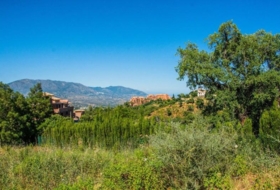



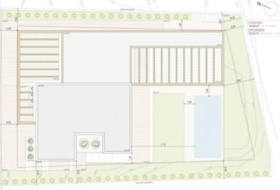
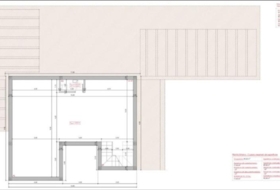

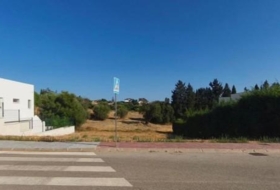
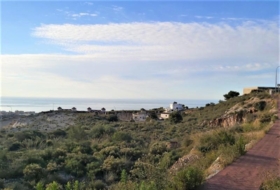

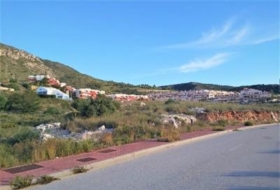
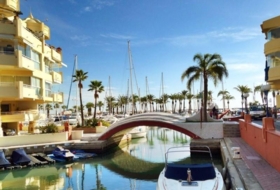
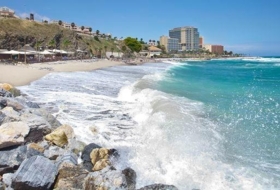

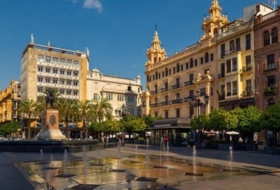
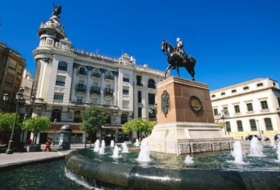
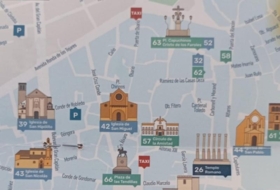
Andalusia, the second largest region in Spain
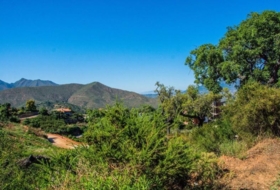
Andalusia is located in the south of the country, where it covers more than 8,500,000 hectares. It is the second largest autonomous community in Spain, after Castile and León. Its location and elongated shape give it a highly valuable geographical and landscape diversity, defined by Sierra Morena, Sierra Nevada, the Guadalquivir Valley and its long coastline. The climate also deserves a mention: its high levels of sunshine determine the different types of farms and crops.
The urban area covers more than 350,000 hectares. The developable plots total more than 150,000 hectares. Rustic land exceeds 5,000,000 hectares, that is, more than half of the region. It should be noted that, in planning, rural settlement land is included in the non-developable category, under the name of non-developable land of dispersed rural habitat.
Fertile, high-value land
It is one of the autonomous communities with the highest average price of urban land in the country. The lowest-cost urban plots are found on the outskirts of cities and in smaller municipalities, where supply and demand are less competitive.
Rustic estates are in a similar situation. They have one of the highest average values in Spain. Andalusia has a strong agricultural tradition, which keeps demand for rustic estates high.
A unique place in Europe
Despite its very dry climate, it is an attractive territory for investing in rustic estates, thanks to the fertility of its soil. When talking about Andalusian agriculture, olive groves stand out as the most important crop. They cover more than 1,500,000 hectares, that is, more than 60% of Spain's olive-growing area and more than 30% of Europe's. In good harvest years, more than 1,000,000 tonnes of olive oil are produced on Andalusian land.
Greenhouses have also become very important and are now well established in several provinces. Vegetables and fruit dominate, with tomatoes, peppers, cucumbers and watermelons as the main crops. Vineyards stand out in the provinces of Cádiz, Córdoba, Huelva, Granada and Málaga. In livestock farming, pigs and sheep are the most important in terms of extent and production.
Forest land covers around 3,000,000 hectares, more than 30% of the region. The Mediterranean forest plays the leading role, with evergreen vegetation as its most characteristic feature.
Location and infrastructure, the keys to industrialisation
Its location and port facilities have turned it into a region of major industrial development. The Seville-Cádiz-Huelva axis concentrates the largest area and is the main industrial zone. In fact, the province of Seville is home to the Technology Park in La Rinconada and the Cartuja Science and Technology Park, one of the largest in Europe.
In total, industrial land covers more than 35,000 hectares. The leading sectors are agri-food, metallurgy, energy and chemicals. Technology and renewable energy are expected to become important sectors in the coming years.
Seville and the Costa del Sol, with the largest residential areas
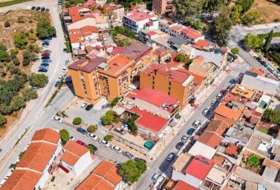
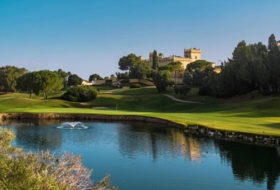
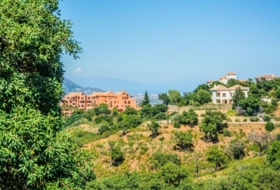
Residential land is concentrated in the provincial capitals, with Seville having the largest residential area. It is also the municipality with the most land available for building. In recent years, residential land has also grown along the coast, especially on the well-known Costa del Sol.
Andalusia is synonymous with history, agricultural development and tourism
It is a major tourist destination in Spain, thanks to its culture, history, coastline and climate. It is an autonomous community with intensive agriculture, where olive groves have a great influence on the national and international market. In short, it is a territory in constant growth that is committed to agricultural production and to the service sector, which predominates on its coast.


