
Plots of land in Valencian Community - for sale and rent by owners and professionals

Urban, developable and non-developable land in region


Plots with the most wanted features
- Urban 181
- Developable 103
- Non developable 226

- Urban 2229
- Developable 696
- Non developable 1646

- With water 1177
- With electricity 1022


- Urban 50
- Developable 8
- Non developable 27


Latest ads of plots for sale
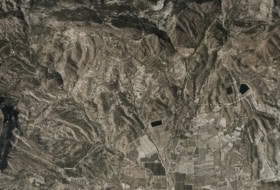
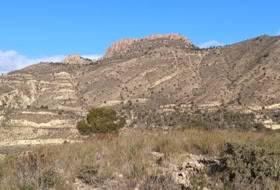
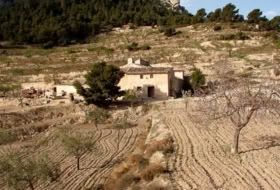
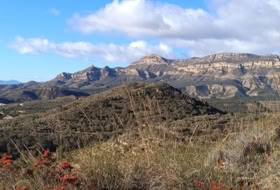

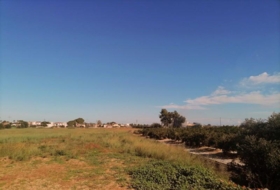
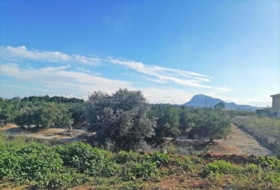
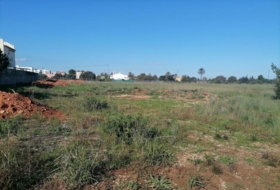
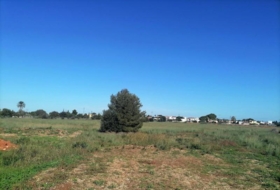
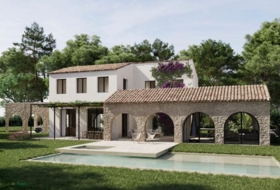
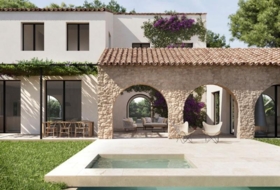
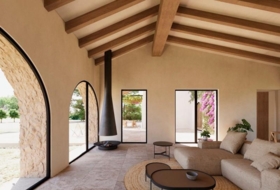
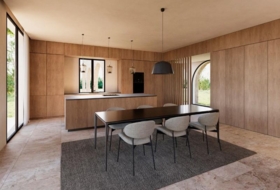

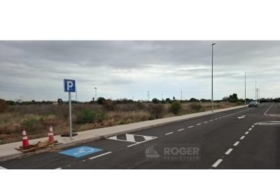
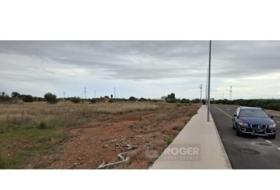
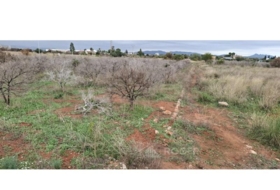
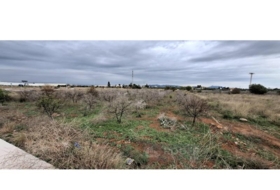
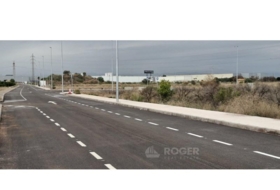
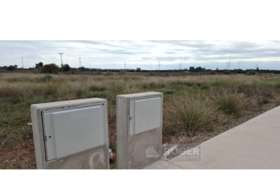


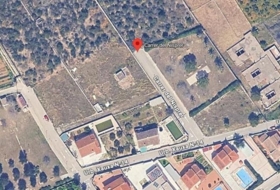
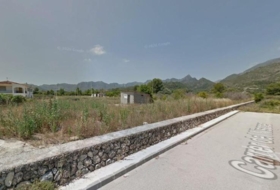

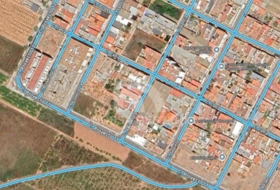
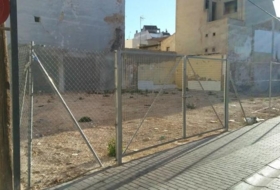
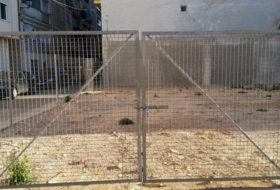
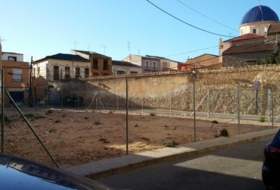
The coast shapes its territorial distribution
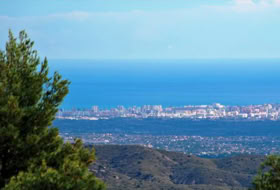
The Valencian Community, located in the east of the country, has a surface area of more than 2,000,000 hectares, where rustic estates take up more than 90% of the autonomous community. Its location and the influence of the Mediterranean Sea create a dry, sunny climate with scarce and very irregular rainfall, which shapes its agriculture.
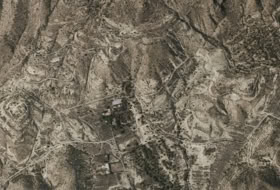
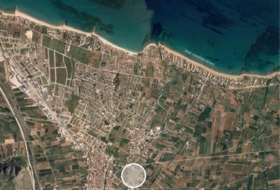
The urban area exceeds 170,000 hectares, including consolidated and unconsolidated urban land. Most of it is grouped in the cities of Valencia, Alicante, Elche and Castellón, and in coastal areas such as Benidorm, Denia or Gandía. The developable land of the Valencian Community is the largest in the country, with more than 100,000 hectares, divided into sectorised and non-sectorised developable plots.
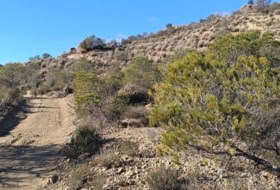
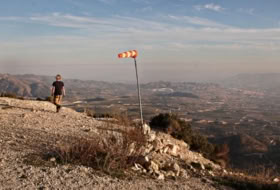
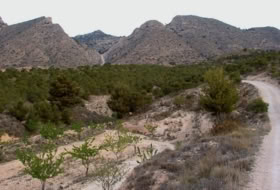
The total non-developable area covers more than 2,000,000 hectares. This category includes rural settlement land. As a general rule, building is not allowed on this land, but there are exceptions, provided the building is necessary and intended for working the land. The long coastline, the mountainous relief and the basins of the main rivers (Júcar and Turia) largely define and shape its distribution.
A place of great value
It offers a wide extent and availability of urban, developable and rustic land. The average price of urban land in the Valencian Community is high because of the influence of the tourist and beach areas of its three provinces, Alicante, Valencia and Castellón, due to high demand. Its average rustic land value also makes it one of the autonomous communities with the most expensive rustic estates in the country.
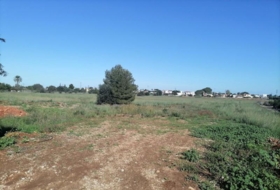
It is a place of strong investment, whether in urban, developable or non-developable plots. The cheapest ones are found in small towns and on the outskirts of the large cities.
Agriculture, essential to the wealth of the Valencian Community
In total, farmland covers more than 600,000 hectares. There is a clear distinction between dry and irrigated farming, dominated by cereals, fruit trees, vegetables, olive groves and vineyards. The most important crops are rice, artichokes, oranges, mandarins and lemons, among others. Its muscat vines are famous for raisins and for the traditional muscatels and sweet wines. In livestock farming, pigs and sheep are the main players. For all these reasons, agriculture is one of the foundations of its economy.
It is worth noting that it is one of the regions with the largest amount of neglected farmland and the highest average age among landowners. Organic farming has become established in recent years, growing at twice the national average. The aid offered by the authorities to farmers running organic farms has made this development possible.
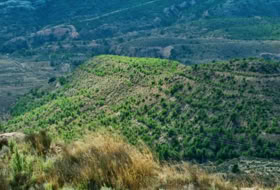
The forest area covers more than 1,000,000 hectares, that is, 50% of the autonomous community.
Growth of industrial and residential land
Its industrial area exceeds 20,000 hectares, with the cheapest sites in the smaller towns. Its leading sectors are the automotive industry, machinery, logistics, agri-food and technology.
The residential land has grown in recent years, especially in the large cities and on the coast. It now covers more than 100,000 hectares, spread across the whole region.
Development and natural beauty in equal measure
The region stands out for its established industry, the importance of its tertiary and residential land and the great weight of its farms. The high demand for land clearly shows that it is an interesting and attractive region for investment, thanks to its location, its long coastline and the wide range of land on offer.


